Winch Sales for Electric and Hydraulic Winches
UNMATCHED RELIABILITY
MM Hydraulic Winches
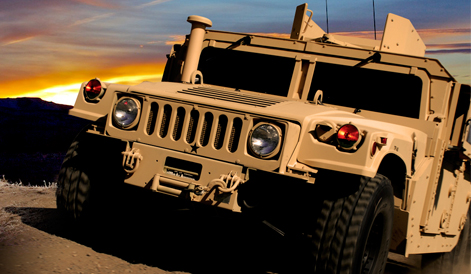
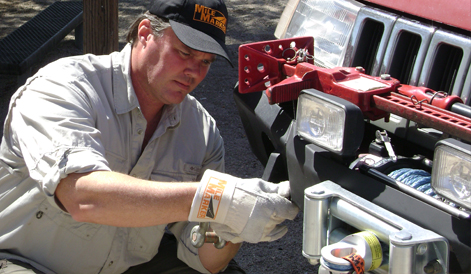
Over 33,000 Mile Marker Self Recovery Hydraulic Winch Systems supplied to the US Army without a single failure relating to manufacturing!
PROFFESSIONALS CHOICE
Abused Worldwide by
- TACOM,
- BAE Systems,
- Military Supacat & HMMWV, to mention a few!
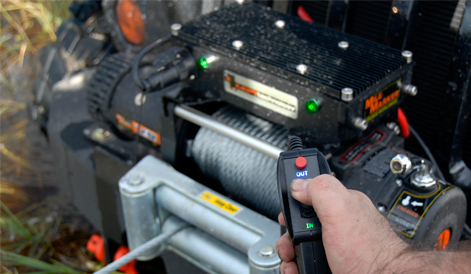
MiFi TECHNOLOGY™
Solid State Power!
- Variable speed line retrieval
- Advanced operator feedback
- Traditional problematic solenoids are a thing of the past
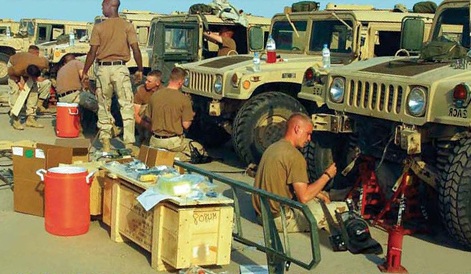
THE MILITARY
Power to move an Army!
After 2 1/2 years of rigorous testing US Military replaces previous well known brand with Mile Marker winches! CAMP DOHA, KUWAIT (March 17, 2003)
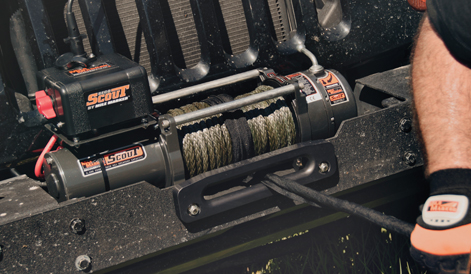
SEC8 SCOUT
New!
- Fastest 8K in its class
- Dyneema Synthetic Rope
- Anodized hawse fairlead
- Durable powder coated clevis hook
| Welcome! Please Register or Login... |
|
||||||
Home | Products | Information | Downloads | Gallery | Dealers | Contact Us
Web Hosting, Web Design, Web Development & Search Engine Optimisation (SEO) by
 Osirion System Technologies